


This December let’s talk about Fatigue
Fatigue constitutes one of the most prevalent symptoms encountered in clinical and primary care contexts. In the UK, it is reported as the reason for approximately 1 in 15 general practice consultations, reflecting its substantial contribution to healthcare demand.
Epidemiological studies further suggest that nearly 25% of the general population experience fatigue of clinical significance, underscoring its broad impact on health outcomes and quality of life.!
Despite being widespread, fatigue remains diagnostically challenging.
Its origins range from lifestyle-related factors, such as poor sleep or inadequate nutrition, to early signs of serious systemic diseases.
Defining Fatigue
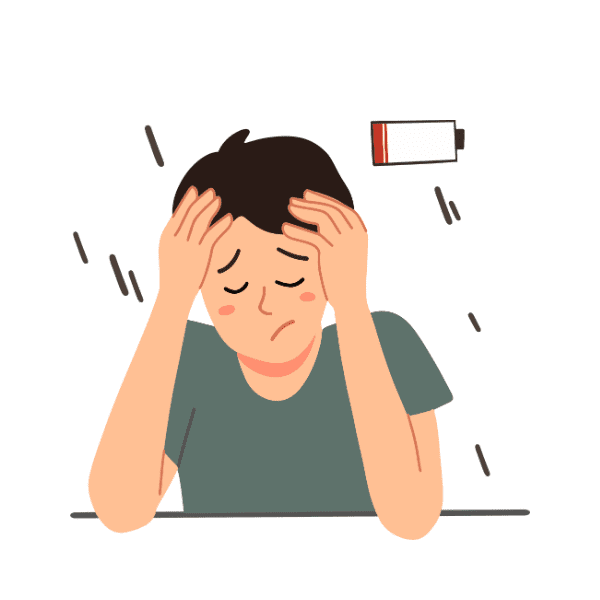
There isn’t a single, agreed-upon way to describe tiredness or fatigue because how we feel and understand it is really up to us. Fatigue is a complex, personal feeling that includes physical, mental and emotional weariness. It doesn’t go away with things like resting or sleeping. It can be different in how strong and long it lasts, which can really make it hard to do everyday things. It might include:
1. Physical fatigue – feeling less able to do physical activities, which can be because you’ve pushed yourself too hard, are unwell or not getting enough food.
2. Mental or cognitive fatigue can make it hard to concentrate, remember things and make decisions. It is often linked to stress, not getting enough sleep or not having enough of certain vitamins and minerals.
3. Emotional fatigue is when you feel unmotivated, down and mentally worn out. It is often connected to depression and trouble thinking clearly.

What causes fatigue?
It seems that fatigue comes from a mix of different biological and mental processes, not just one thing. Some ideas about what might be causing it include:
– Problems with how our bodies use energy and nutrients: Not getting enough energy, having too little iron to carry oxygen around and not having enough B vitamins can all mess with how our cells make energy.
– Neuroendocrine dysregulation: Altered hypothalamic-pituitary-adrenal (HPA) axis function, commonly observed in stress-related fatigue, may blunt cortisol responses and impair stress adaptation.
– Inflammatory pathways: Chronic, low-grade systemic inflammation – often associated with obesity, poor diet or autoimmune conditions – may influence central fatigue perception through cytokine-mediated effects on the brain.
– Sleep-wake disturbances: Poor sleep quality or inadequate duration impairs restorative processes essential for both cognitive performance and physical endurance.?
How can we improve it with our diet?
Diet quality: Eating well is super important for fighting fatigue. Diets high in refined carbs and low in nutrient-rich foods can cause blood sugar to swing wildly, leading to tiredness after meals and feeling generally less energetic! On the other hand, eating lots of whole grains, fruits, vegetables, lean proteins and healthy fats can boost your energy and lower your chances of chronic tiredness.
Hydration: Even a little bit of dehydration can mess with your brain and make you feel tired. Drinking enough water is a basic thing that often gets overlooked.
Physical activity: Doing regular, moderate exercise can make your energy levels better and help you feel less tired, while being too sedentary is always linked to feeling more tired.
Macronutrient balance: Getting the right amount of macronutrients is key to keeping your energy levels up. Not eating enough calories can make you feel tired all the time, not having enough protein can mess with muscle recovery and refined sugars can cause inflammation and make you feel tired and unstable. But unsaturated fats are great for giving your cells energy and keeping your metabolism healthy.
Micronutrient status: Micronutrients are really important for keeping fatigue at bay. Iron, vitamin B12 and folate are essential for making red blood cells and carrying oxygen around. Vitamin D and magnesium help your muscles work, make ATP (the energy your body uses) and keep your immune system strong. If you don’t get enough of these nutrients, you can feel incredibly tired and have trouble doing things.
Caffeine : A bit of caffeine can help you feel less tired for a while, but if you rely on it too much, it can mess with your sleep and make you feel tired for longer.


When should you seek medical help?
Feeling tired is quite common when you first see a doctor, but it doesn’t always mean you have a serious health issue. However, if you’re feeling tired all the time, really badly or can’t figure out why, it might be a sign of something more serious and you should get it checked out. Here are some reasons why you should look into fatigue more closely:
• It’s not going away—it’s still there even after what you thought would be a short illness.
• You can’t put your tiredness down to things like what you do and eat, how you live or how you act.
• It’s making it hard for you to do everyday things or enjoy life.
In these cases, it’s important to get a thorough check-up, which includes asking about your past, doing a physical exam and running some tests to make sure there’s nothing serious going on.

Contact
Online Appointments
Phone: 079 9989 2972
Email: k.gordanian@lifespannutrition.co.uk
More Links
© 2024 Lifespan Nutrition